 OrthoTruss
Education tour · The face through time
Evolution of the Face
Every era believed it had the measure of a face. Walk the timeline, from Egyptian canon grids to the machine gaze, and watch how humans theorized, measured, and mis-measured the human face one gallery at a time.
Ancient Egyptian artisans encoded proportion into canon, a grid of ideal ratios meant to hold beauty still. Renaissance and Enlightenment physiognomists read character and destiny in the same features, mistaking correlation for law. Nineteenth-century craniometry sharpened the instruments but kept the error, ranking skulls into hierarchies that flattered their measurers. Franz Boas turned the method against itself, showing that skull shape shifted within a single generation of migrants: proof that environment, not essence, was writing the numbers. Paleoanthropology then stretched the frame across deep time, tracing the face through millions of years of slow reshaping. Now the machine gaze arrives, patient and exhaustive, and no wiser than the eye that built it unless we ask better questions.
c. 2600 BCE – 1528 CECanon & symmetria
Chapter 01 of 08
Proportion Dreams
The history of facial proportion is a history of useful systems repeatedly mistaken for universal laws.
Read the complete chapter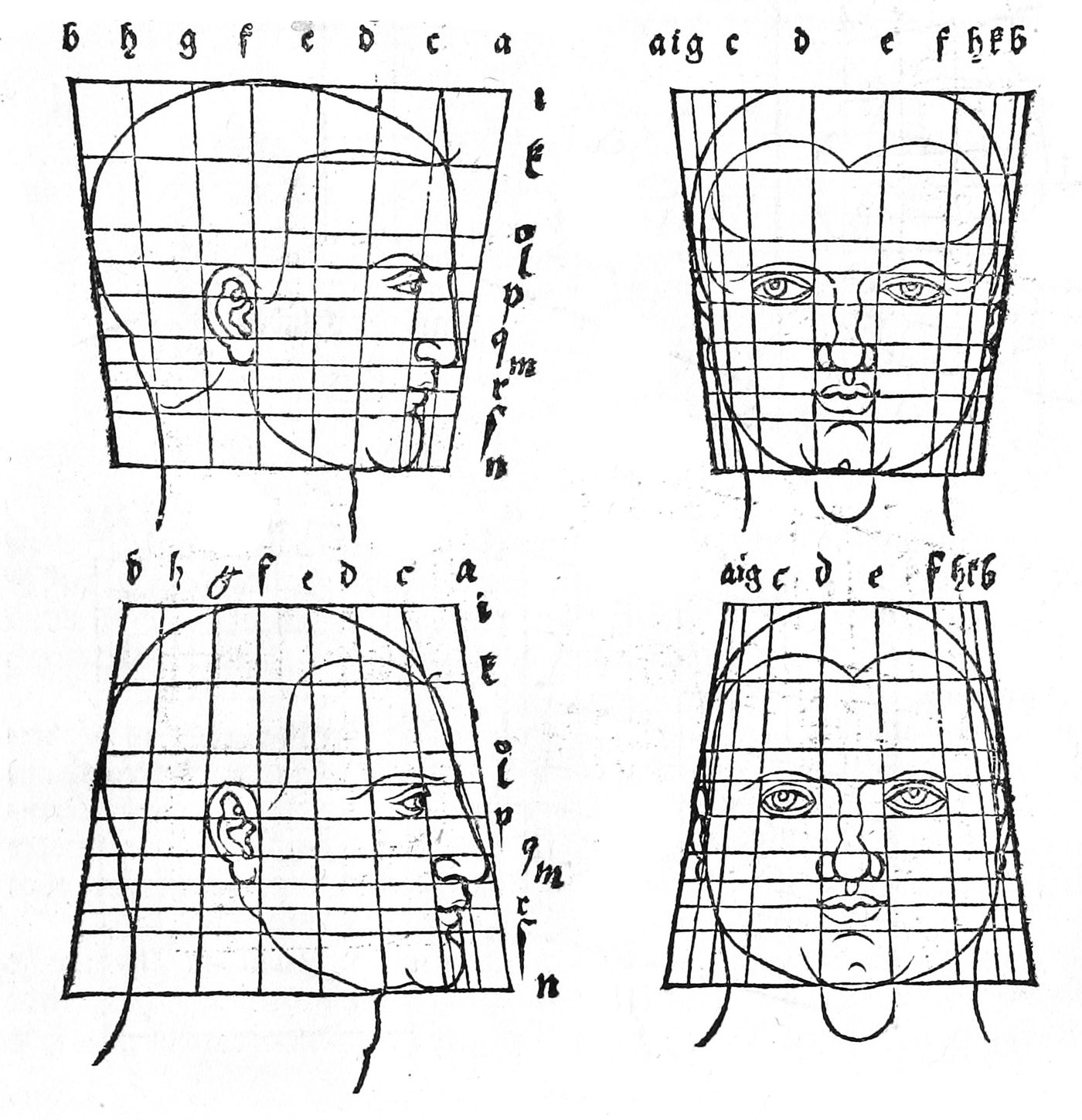
Interactive model loading…
1586 – 1801Physiognomy
Chapter 02 of 08
Reading the Face
Physiognomy turned the visible face into a false promise: that character, intelligence, and worth could be read at a glance.
Read the complete chapter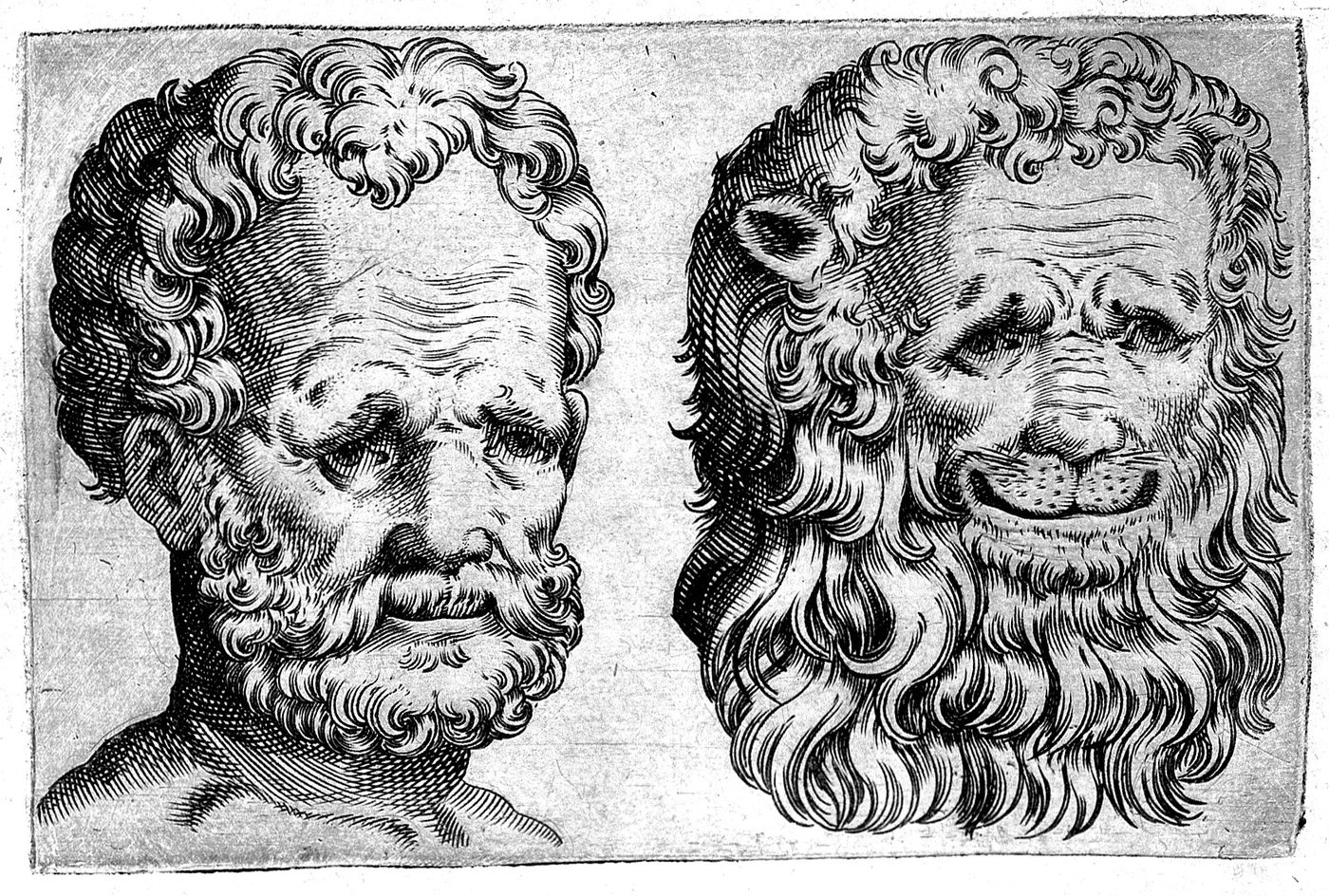
Interactive model loading…
1839 – 1912Craniometry
Chapter 03 of 08
The Skull Wars
Boas used the tools of racial measurement to expose how unstable their supposedly fixed categories really were.
Read the complete chapter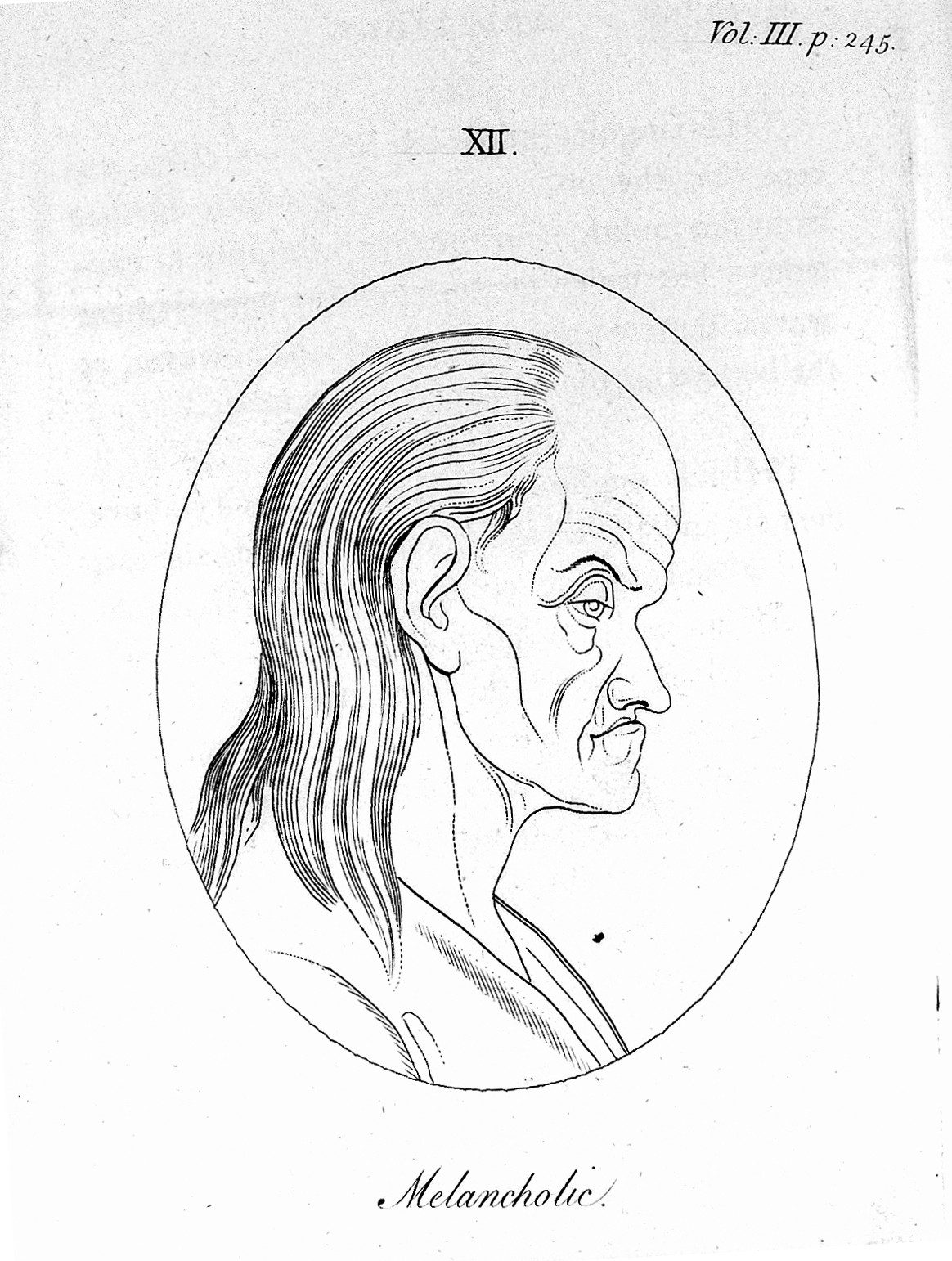
7 Ma – presentPaleoanthropology
Chapter 04 of 08
The Deep-Time Face
The human face is not a finished design but a moving outcome of diet, development, climate, and deep evolutionary time.
Read the complete chapter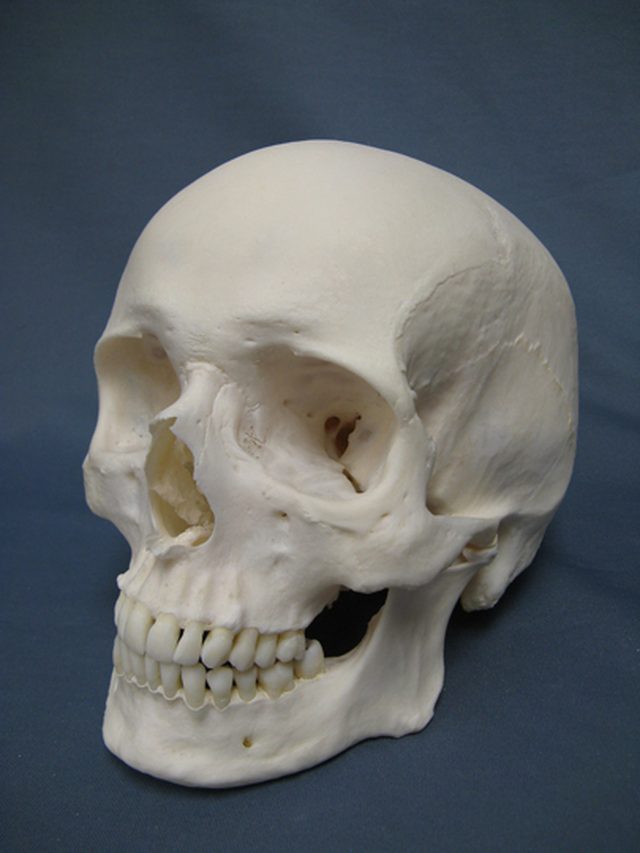
Comparative figure loading…
Human variationAnti-typology
Chapter 05 of 08
Faces Across the World
Human facial variation is real, continuous, geographic, and incompatible with neat biological race types.
Read the complete chapter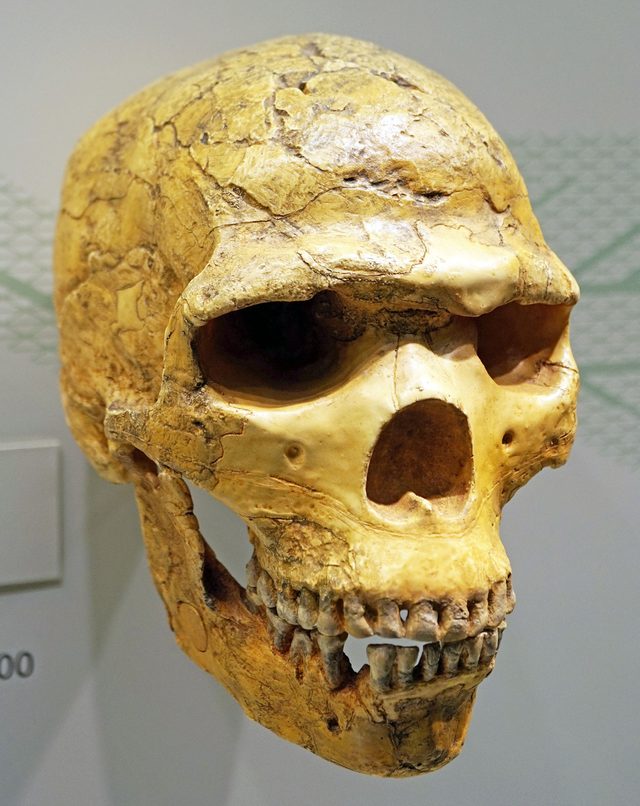
1900 – todayIndustrial diet
Chapter 06 of 08
The Shrinking Modern Face
Modern jaws have changed, but the strongest evidence points to development and environment rather than simple ancestral decline.
Read the complete chapter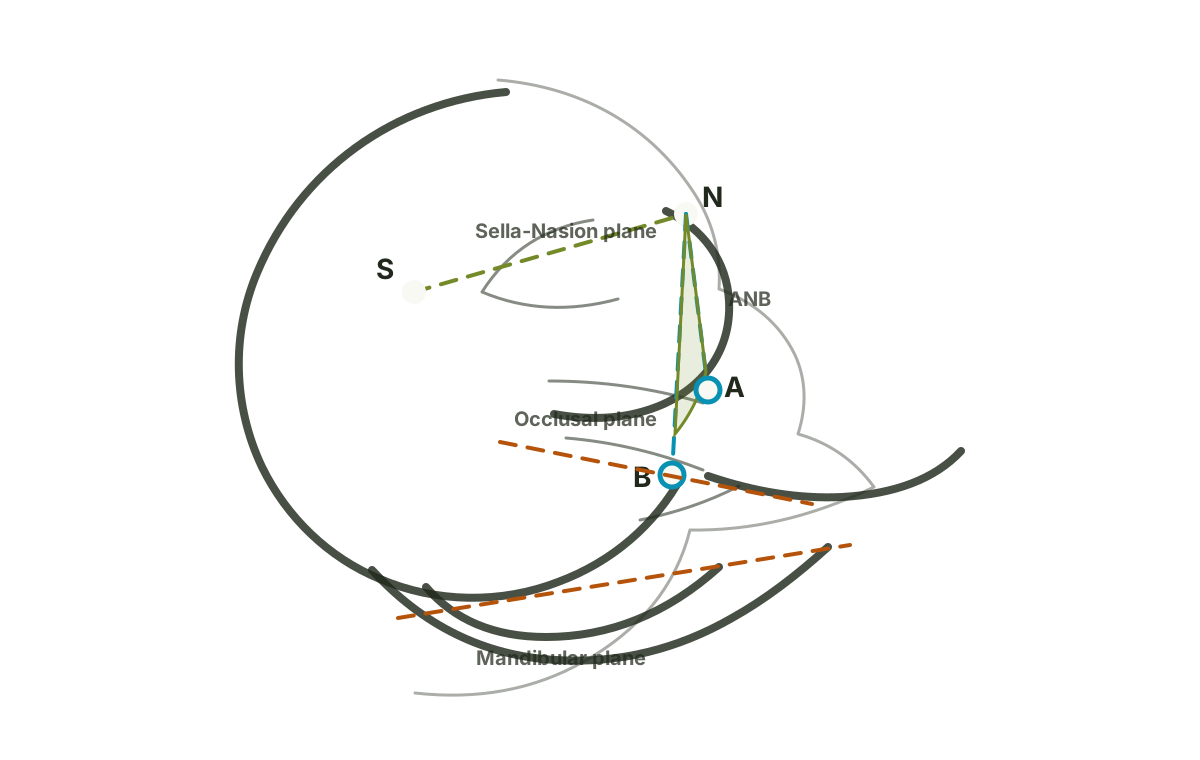
1960s – todayPerception science
Chapter 07 of 08
How We Read Faces
Brains are exquisitely tuned to perceive faces and remarkably unreliable when asked to infer lives from them.
Read the complete chapter
1878 – nowAutomated physiognomy
Chapter 08 of 08
The Machine Gaze
Machine vision does not escape physiognomy merely by replacing calipers with neural networks.
Read the complete chapter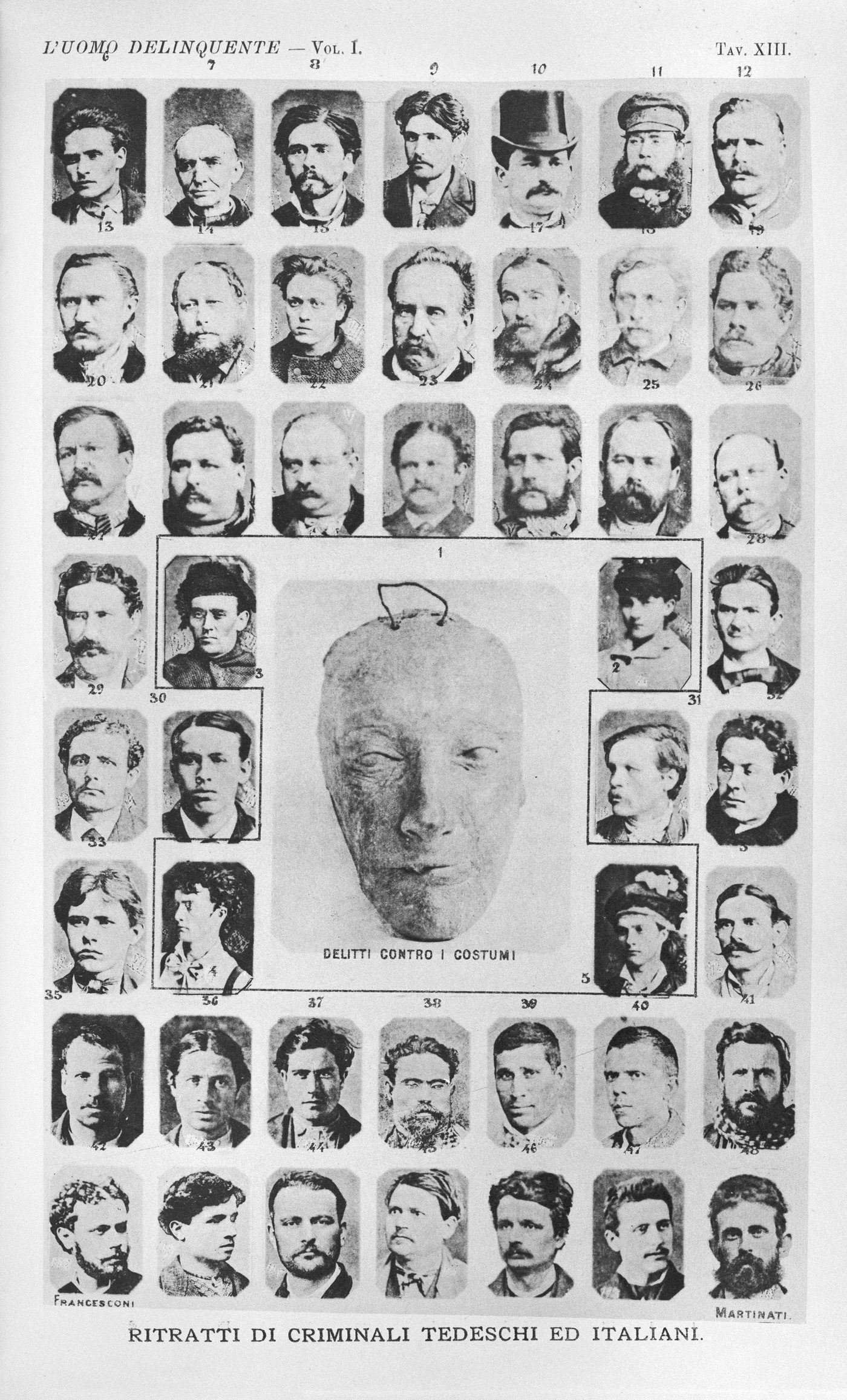
In closing
The Individual Behind the Numbers
A cephalometric analysis can describe a face. It cannot, by itself, understand the person wearing it.
Measurement earns its place in orthodontics. Learning to read a face in angles and millimetres is how a clinician first learns to see one — a way of looking under the hood, of breaking a complicated system into parts you can name. That is worth keeping.
But a number is a two-dimensional view of a three-dimensional person, and it carries a quiet temptation: to mistake a precise measurement for a deep understanding, and to treat toward the population's average rather than the individual in front of you. The same figure that sharpens a diagnosis can, held too tightly, strip a patient of everything that makes them unlike the textbook.
The honest response is not to abandon the instruments. It is to reason from first principles rather than tradition — to ask what a given number is actually for, what it can and cannot tell us, and where a person's own biological limits should have the final word over any norm.
That is what OrthoTruss is built to make easy. It sets the competing cephalometric analyses side by side, so where they disagree is visible rather than hidden. It traces the mechanics of tooth movement back to named, published equations, checked against measured values rather than simply asserted. And it leaves the judgment where it belongs — with the clinician, never the software.
A measurement is a lens. The person still has to be seen.